
LaskaKit microESPink ESP32-S3 e-Paper
Kód: LA100101I LA100101P Zvolte variantu


Detailní popis produktu
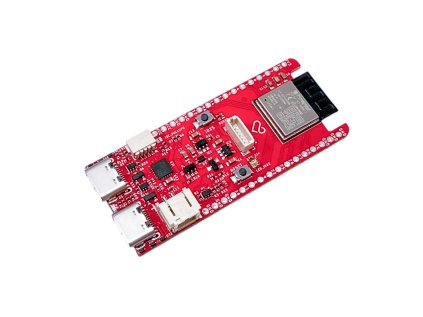
MicroESPink tak doplňuje samostatnou desku, kterou máme také v nabídce velmi úspornou a univerzální ESPink. MicroESPink je menší a je také možné připojit jiné ePaper displeje.
MicroESPink je založen na ESP32-S3 namísto ESP32 (větší ESPink). Místo jsme ušetřili odebráním nepoužitých GPIO pinů na okraji desky ESPink, SPI uŠup konektoru atp.
Pokud preferuješ už hotový kit s přilepeným ePaper, pak máme v nabídce Laskakit ESPink-Shelf-2.9 ESP32 e-Paper, LaskaKit ESPink-4.2 ESP32 e-Paper a LaskaKit ESPink-Shelf-2.13 ESP32 e-Paper.
MicroESPink je založený na čipu ESP32-S3, který má podporu jak Wi-Fi 4, tak i Bluetooth 5. Deska obsahuje konektor pro baterii JST-SH s roztečí 1mm. Kabel pro tento konektor najdeš v našem e-shopu, už hotové baterie s tímto konektorem jsou pak 200mAh a 400mAh.
Nabíjecí proud je nastaven rezistorem R11.
MicroESPink má osazený náš univerzální I2C uŠup konektor ke kterým můžeš připojit nejrůznější čidla - SHT40 (teplota, vlhkost), BME280 (tlak, teplota, vlhkost), SCD41 (CO2, teplota, vlhkost), BH1750 (osvětlení), APDS-9960 (senzor gest) a spoustu další senzorů. Náš I2C uŠup konektor je kompatibilní s Adafruit Stemma a Qwiik od Sparkfun.
Deska podporuje populární projekt Živý Obraz, který výrazně zjednodušuje použití ePaper displeje k zobrazení fotografií, (google, outlook, apple) kalendáře, kurzů, hodnot z meteostanic, předpovědi počasí a mnoho dalšího. Není nutné psát kód, stačí nahrát správný typ ePaper a desky skrze webové prostředí a dodržet postup popsaný v dokumentaci.
Program nahraješ přes webové prostředí na této stránce a stačí zvolit desku LaskaKit ESPink 3.5 a správný typ ePaperu podle toho, který sis objednal.
Pokud si chceš napsat vlastní program, tak do toho :-)
Na našem github máš schéma desky a nezapomněli jsme ani na vzorové kódy, které by ti značně měly usnadnit programování a práci s naším microESPink.
Pár technických informací:
- Spotřeba desky je okolo 17uA bez připojených periférií.
- IO piny pro I2C sběrnici jsou použity - SDA IO42 a SCL IO2.
- Napájení pro externí I2C čidla (uŠup), ePaper je spínán přes GPIO pin 47. Aktivní v HIGH.
- Stav baterie je monitorován ADC na GPIO pin 9.
- MicroESPink má předpřipravené dva pájecí mosty, kterými se upravuje nastavení driveru na desce - popis nastavení pro ePapery najdeš ve schématu.
- Skrze USB-C se nabíjí jak baterie, tak probíhá i programování desky.
- Desku je nutné přepnout do režimu nahrávání, to provedeš tímto postupem: připojíš USB-C, zmáčkneš tlačítko FLASH a držíš, zmáčkneš a uvolníš tlačítko RESET a poté uvolníš tlačítko FLASH.
Specifikace:
| Verze v prodeji | v1.2 |
| ESP32 modul | ESP32-S3-MINI-1-N8 8 MB (Quad SPI) |
| Vstupní napětí | 3.7-8V |
| Odběr proudu v deep-sleep módu | 17.5μA (samostatná deska s displejem bez připojených periferií) |
| Konektor pro anténu(IPEX verze) | IPEX3 |
| Konektory | |
| I2C SDA | 42 |
| I2C SCL | 2 |
| Pinout (standardní pro GxEPD2) | |
| MOSI/SDI | 11 |
| CLK/SCK | 12 |
| SS/CS | 10 |
| DC | 48 |
| RST | 45 |
| BUSY | 38 |
| Napájení ePaperu a µŠup(nastav do HIGH) | 47 |
| Rozměry | |
| Délka | 31mm |
| Šířka | 30.5mm |
| Výška | 6.5mm |
| Váha | 7g |
Součásti dodávky:
- 1ks LaskaKit microESPink ESP32-S3-MINI e-Paper
Poznámka:
- Displeje a baterie nejsou součásti baleni
- Tento výrobek není samostatně funkčním celkem a může vyžadovat odbornou montáž.
- Fotografie výrobků jsou pouze ilustracemi na ukázku a někdy se mohou lišit od skutečného vzhledu předmětu. Avšak toto nemění jejích základní vlastnosti.


Buďte první, kdo napíše příspěvek k této položce.